
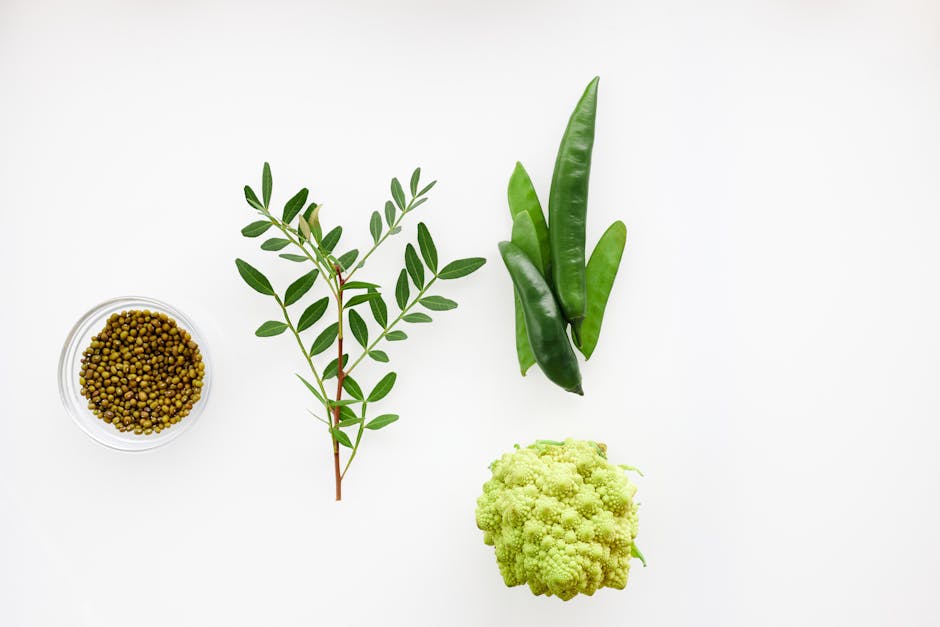
If you've ever stood in a nursery aisle holding a packet of tomato seeds, wondering whether this is actually the week to put them in the ground, you already understand the question at the heart of every planting calendar. Modern gardening culture treats sowing dates as a matter of last-frost math and soil temperature alone. Vedic agriculture asks a deeper question: what is the Moon doing, and how does that rhythm connect the seed to the field, the farmer, and the wider order of nature?
Maharishi Vedic Organic Agriculture International approaches this question from a consciousness-based perspective rather than a purely mechanical one. A planting calendar built on Vedic knowledge does not replace agronomy. It layers lunar and solar timing on top of it, treating the field as a living system that responds to more than temperature and daylight. Farmers converting from conventional to Vedic organic methods often ask where to start, and we generally point them first to our guide on converting conventional farmland to Vedic organic methods before they touch a planting chart at all, since the calendar only works once the soil itself is being farmed in harmony with Natural Law.
This post walks through what a lunar planting calendar actually is, how Vedic lunar phases differ from the popular Farmers' Almanac tradition, and how to apply that timing to real crops, from sunflower seeds to tobacco to tomato transplants. It's a foundation, not a formula. By the end you should be able to build your own calendar for your own zone rather than depending on someone else's PDF.
What Is a Vedic Planting Calendar?
A Vedic planting calendar schedules farm activities according to the positions of the Moon and Sun as understood through Jyotish, the Vedic system of timing sometimes called Vedic astronomy. Rather than treating a date on the Gregorian calendar as fixed and neutral, it recognizes that each day carries a different quality depending on lunar phase, lunar mansion, and solar transit. Maharishi Vedic Agriculture describes this as recognizing the fundamental link between man and nature, between the individual and the cosmos, and using that link to enhance the relationship rather than override it.
The Moon's own cycle is not mystical guesswork. NASA publishes detailed lunar phase data showing that the Moon completes its full cycle of illumination, from new moon to full moon and back, roughly every 29.5 days, driven by its changing position relative to Earth and the Sun.
What Are the Vedic Lunar Phases?
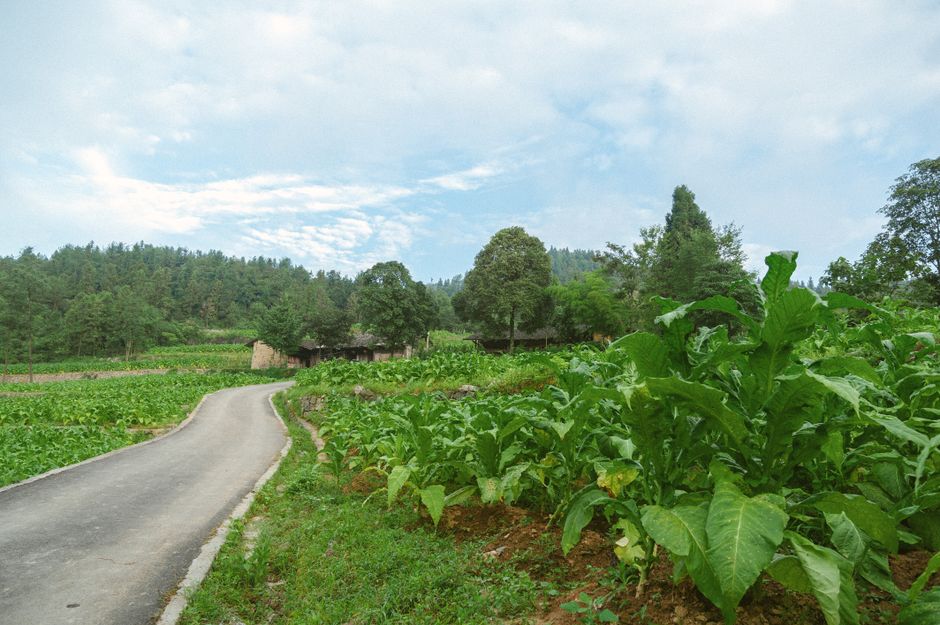
The Vedic lunar phases divide the Moon's roughly 29.5-day cycle into a waxing fortnight and a waning fortnight, each containing fifteen lunar days called tithis. Farmers use the waxing phase for sowing, transplanting, and grafting, and the waning phase for pruning, weeding, and harvest, based on the idea that growth energy rises as the Moon fills and settles as it empties.
Each tithi is also paired with a lunar mansion, or nakshatra, that the Moon passes through, and Vedic timing considers both together rather than the phase alone. This is more granular than most Western lunar gardening guides, which tend to stop at "waxing versus waning." A tithi during a fruit-favorable nakshatra in the waxing fortnight is considered especially supportive for sowing seeds meant to bear above-ground fruit, tomatoes among them.
"The Moon's phase you see depends on how much of the sunlit half of the Moon is visible from Earth, a relationship that cycles predictably about every 29.5 days."
— NASA
Is There a Lunar Planting Calendar?
Yes. Lunar planting calendars exist in multiple traditions, from the Vedic Jyotish system to European biodynamic charts to the popular Farmers' Almanac Moon-based tables. All of them track the Moon's waxing and waning fortnights and assign favorable and unfavorable windows for sowing, transplanting, and harvesting different crop types.
Where they diverge is precision and purpose. A general lunar calendar might tell you "plant root crops on the new moon." A Vedic calendar layers in the nakshatra, the day of the week, and sometimes the yoga, a combination of solar and lunar longitude, before recommending a window. This is denser information than most home gardeners need, which is exactly why day-count planting schedules, sometimes shorthanded as DCPS calendars, remain popular. Those count forward a fixed number of days from your average last frost date instead of tracking the sky at all. Pairing a Vedic lunar calendar with your USDA hardiness zone, easily found by searching planting zones by zip code, gives you both the timing and the temperature context you actually need before a seed goes in the ground.
"The Plant Hardiness Zone Map divides North America into 13 zones based on the average annual minimum winter temperature, helping growers identify what will reliably survive where they farm."
— USDA
How Does Lunar Timing Actually Work for Seeds?
The proposed mechanism is straightforward, even if it sits outside conventional agronomy textbooks: the Moon's gravitational pull affects moisture in soil the same way it affects ocean tides, and its changing light influences seed germination and sap movement in ways that mirror its phase. During the waxing Moon, moisture is thought to rise nearer the soil surface, which is why this window is favored for sowing seeds that germinate near the top, including sunflower seeds for planting and most leafy greens.
Peer-reviewed research examining possible lunar effects on seed germination and plant growth has been cataloged on PubMed, and results across studies are genuinely mixed, some showing measurable correlation and others showing none. MVOAI treats this honestly. We cite the roughly 600 peer-reviewed studies from over 200 universities that support Maharishi Vedic Agriculture technologies broadly, without overstating what any single mechanism has proven about lunar timing specifically. Vedic agriculture recognizes the fundamental link between man and nature and seeks to work with that relationship, not to promise it as guaranteed science on every point.
What Is the 70/30 Rule in Gardening?
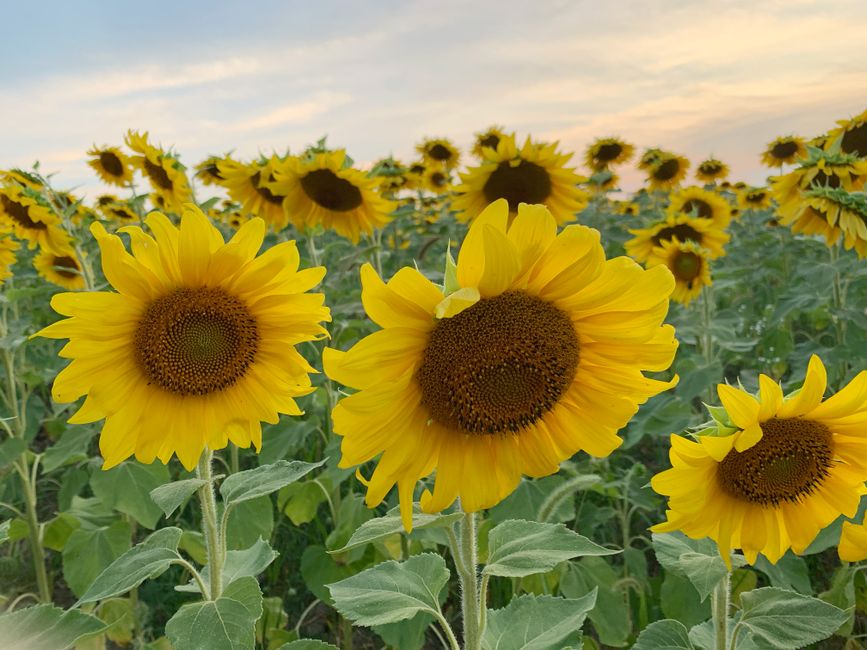
The 70/30 rule is a spacing and planning guideline suggesting that roughly 70 percent of a bed or plot go to your primary, proven crops, while the remaining 30 percent is left for experimentation, succession planting, or companion species that support the main crop. It keeps a farm's core yield protected while still leaving room to test new varieties or timing.
Applied to a lunar calendar, the 70/30 rule works well as a confidence-building tool. Plant the bulk of your tomato seed planting or your row of tobacco on the timing you already trust, whether that is a day-count schedule or your hardiness zone's average frost date. Then dedicate the smaller portion to a Vedic-timed planting and compare the two side by side over a season. Farmers we've worked with often find this is how a lunar calendar earns a permanent place in their rotation, through direct observation rather than instruction.
What Should You Track on a Planting Calendar?
A working planting calendar, Vedic or otherwise, needs to hold more than a sowing date. Farmers following the principles of Maharishi Vedic Organic Agriculture generally track:
- Lunar phase and nakshatra for the sowing window
- Local last and first frost dates by hardiness zone
- Soil temperature at seed depth, not just air temperature
- Planting compost or amendment schedule ahead of each sowing
- Companion species planted in the same or adjacent bed
- Days to germination and days to maturity for each variety
- Harvest window tied to the waning fortnight for storage crops
Compost timing matters more than most calendars admit. Soil that has not been enlivened ahead of a Vedic-timed sowing will not respond to lunar timing the way healthy, biologically active soil does, which is one reason we point new farmers toward our piece on building soil health with Vedic composting techniques before they worry about which tithi to sow on.
Is a Lunar Calendar Right for Every Farm?
Not necessarily, and it's worth saying plainly. A commercial operation running tight succession plantings across hundreds of acres may find that strict lunar windows conflict with labor scheduling, equipment availability, or contract delivery dates. In that case, a hardiness-zone-based system, or a straightforward day-count schedule, is the more practical primary tool, with lunar timing layered in only for smaller specialty blocks.
Home gardeners and small diversified farms tend to get the most out of Vedic timing, since they have the flexibility to wait a few days for a favorable window. Companion planting adds another layer worth considering alongside lunar timing. A basic companion planting chart pairs crops that support each other's growth or repel shared pests:
- Tomatoes with basil and marigold
- Sunflowers with cucumbers and beans
- Corn with beans and squash, the traditional Three Sisters grouping
- Carrots with onions and leeks
- Cabbage family with dill and chamomile
- Tobacco with marigold as a nematode-suppressing border crop
We cover pest-suppressing pairings in more depth in our guide to natural pest management without chemicals, which pairs well with lunar timing since both approaches lean on working with a field's existing balance rather than against it.
What Does the Farmers' Almanac Say About the Best Days to Plant?
The Farmers' Almanac publishes an annual Moon-based planting calendar and a "Best Days" table that recommends specific dates for sowing, transplanting, and harvesting based on the Moon's phase and its position among the zodiac signs. Their 2026 planting-by-the-Moon calendar, like past editions, is organized by crop type, above-ground versus below-ground, and by region.
It's a useful, free, popularly available companion to a Vedic calendar, though the two systems are not identical. The Almanac's zodiac-sign method traces back to Western tropical astrology, while a Vedic calendar uses the sidereal zodiac and nakshatra system, which shifts the assigned dates by roughly three weeks compared to tropical charts by the time you reach later years in this century. If you already use a Farmers' Almanac Moon calendar PDF, treat it as a starting reference point and cross-check the sidereal dates before committing your full planting to either one alone.
What Results Can You Expect From Planting by the Moon?
Do not expect dramatic, immediate differences. The honest timeline looks more like this: within the first season, most farmers notice slightly more even germination in lunar-timed beds compared to control beds planted on the same week by convenience alone. By the second season, once compost and soil biology have caught up, the difference becomes easier to see in vigor and uniformity rather than raw yield numbers. By the third season, many farmers report the practice has simply become part of how they plan, the same way checking a frost date became automatic years earlier.
In our experience working with growers across MVOAI's USDA-accredited certification network, the clearest outcome is not a yield spike. It is consistency. Fields farmed in harmony with lunar and solar rhythm tend to show steadier germination rates across a planting run, which matters more to a working farm than any single bumper crop.
Practical Tips for Building Your Own Vedic Planting Calendar
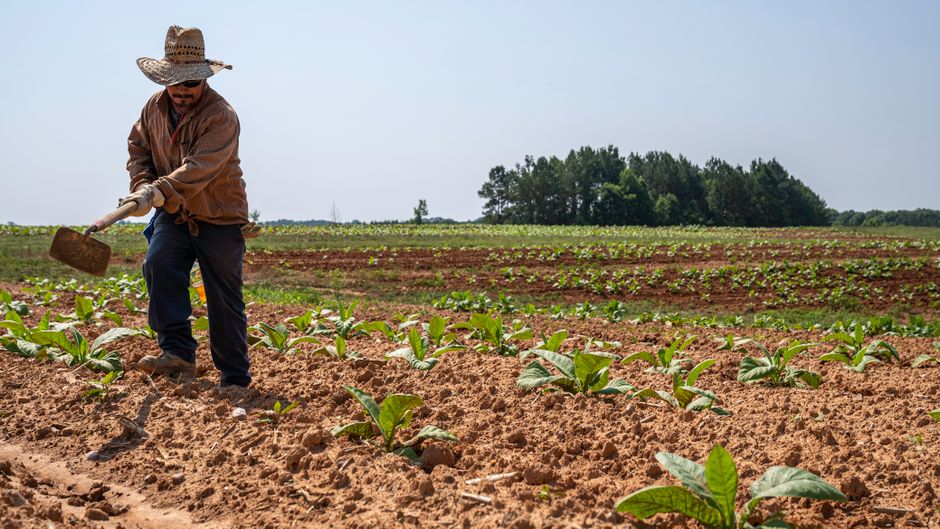
- Start with your USDA hardiness zone, found by searching planting zones by zip code, before layering in lunar timing.
- Sow above-ground fruiting crops like tomatoes and sunflowers during the waxing fortnight, ideally in a fruit-favorable nakshatra.
- Reserve the waning fortnight for root crops, pruning, and weed control.
- Amend beds with planting compost at least two weeks ahead of your target sowing window, not the day of.
- Apply the 70/30 rule for at least one full season before trusting lunar timing on your entire acreage.
- Keep a simple written log of sowing date, phase, and germination outcome so your calendar improves with your own data, not just tradition.
Richard Mort, who has guided farmers through MVOAI's certification and education programs, often reminds growers that Vedic knowledge is meant to be practiced, not memorized. A planting calendar built from a season of your own observation, your own zone, and your own soil will always outperform a downloaded PDF, however well researched that PDF happens to be. If you're still building out your growing operation from the ground up, our beginner's complete guide to starting a Vedic organic farm is the right place to fold this calendar work into a fuller plan.
None of this requires abandoning the tools you already trust. Keep your frost dates, keep your Farmers' Almanac table if it has served you, and simply add lunar and nakshatra timing as one more layer of information about the field you're already working. Food, in this view, is more than chemical composition. It is a manifestation of nature intelligence, and a planting calendar that honors the Moon's rhythm is one small, testable way to farm like you believe that.